
Est. 1928
The Pinnacle
of Poultry
Four generations of gamefowl — Indian Game and Aseel — bred for type, vigour and character.
Introduction
A Breeder's Passion
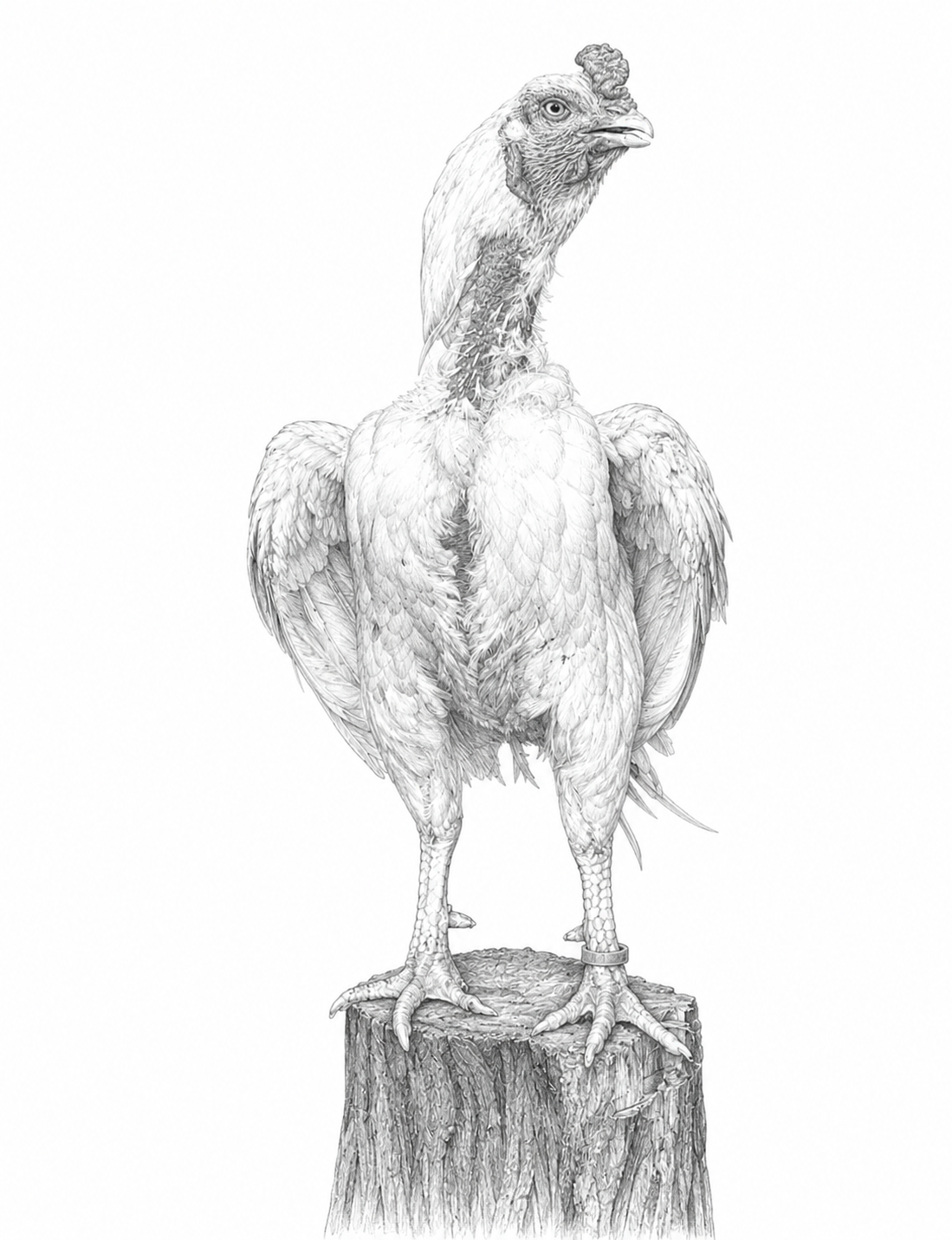
My name is William Juul, and gamefowl have been part of my life for as long as I can remember. What began as a family tradition on the farm has grown into a lifelong passion — more a calling than a business. Under the Juul Gamefowl name I keep and breed two great old fowl: the Indian Game (Cornish) that my family has held since 1928, and the Aseel (Asil), the ancient fowl of the East.
I breed on a small, deliberate scale. Every bird is selected by hand for type, bone, feather quality, hardiness and temperament, and every pairing is made with the next generation in mind. I would rather raise a handful of birds that are truly correct than a yard full of birds that are merely adequate.
Since 1928
The Juul Family & Indian Game
The Juul family's story with Indian Game begins with my Danish grandfather. Arriving in South Africa from Denmark in the years between the wars, he brought with him a farmer's eye and a deep respect for good, honest livestock. In 1928 he imported his first Indian Game from the United Kingdom — birds bred out of the great Cornish yards, shipped by steamer and carried inland by rail to the farm.
Those imports were hard-won. The birds travelled for weeks, and only the strongest arrived fit to breed. From that small foundation he built a line suited to the African sun: broad, low and immensely powerful, with the wide skull, thick beak and short, close-fitting feather the breed is known for. That original blood has been kept in the family ever since — culled hard, out-crossed carefully, and never allowed to drift from type.
Nearly a century later, those same Indian Game still walk our yards. Keeping them is a duty as much as a pleasure: they are a piece of British breeding history, preserved in South Africa by a Danish family.
Since 2009
Aseel — The Pursuit of Perfection
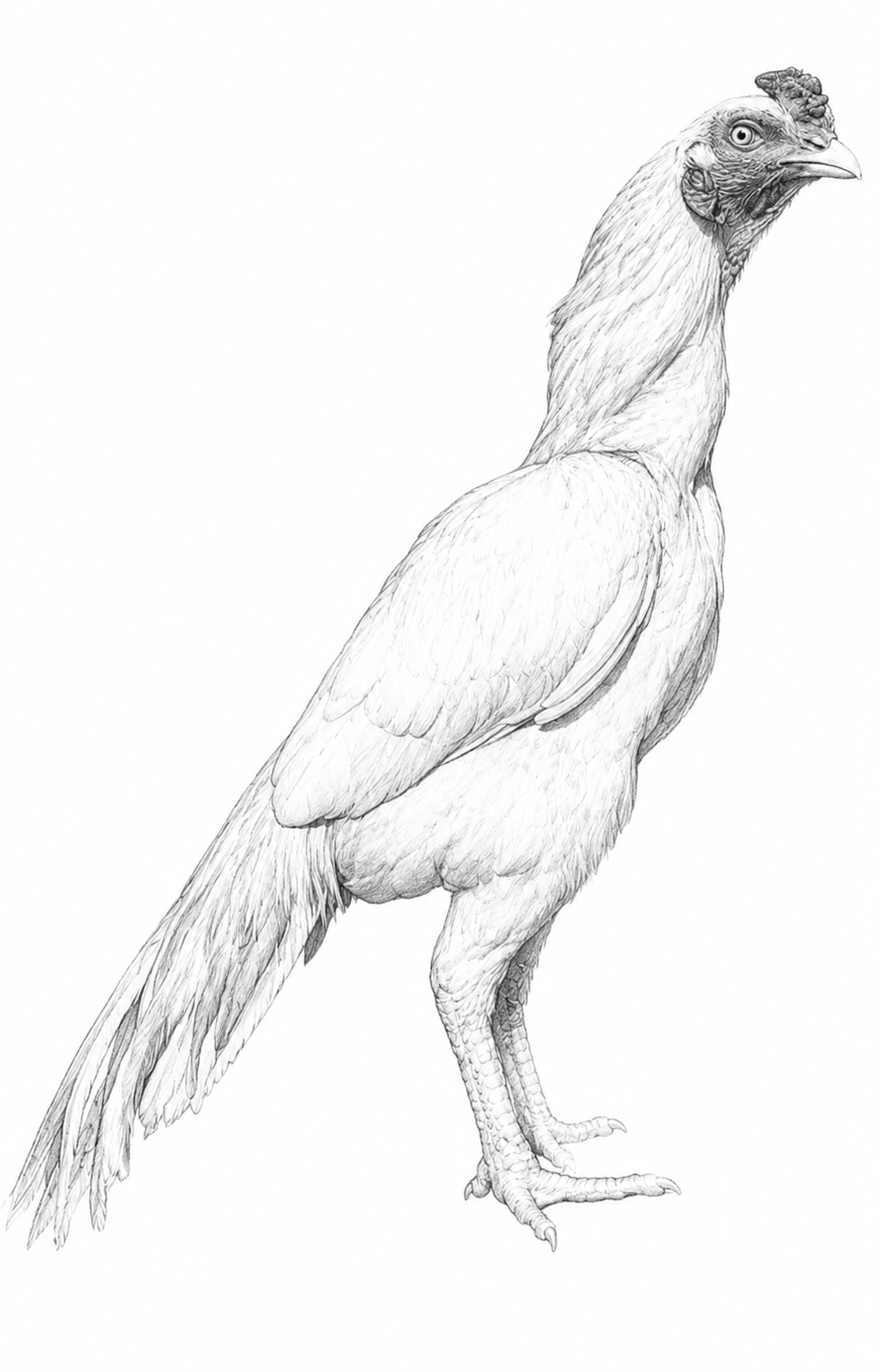
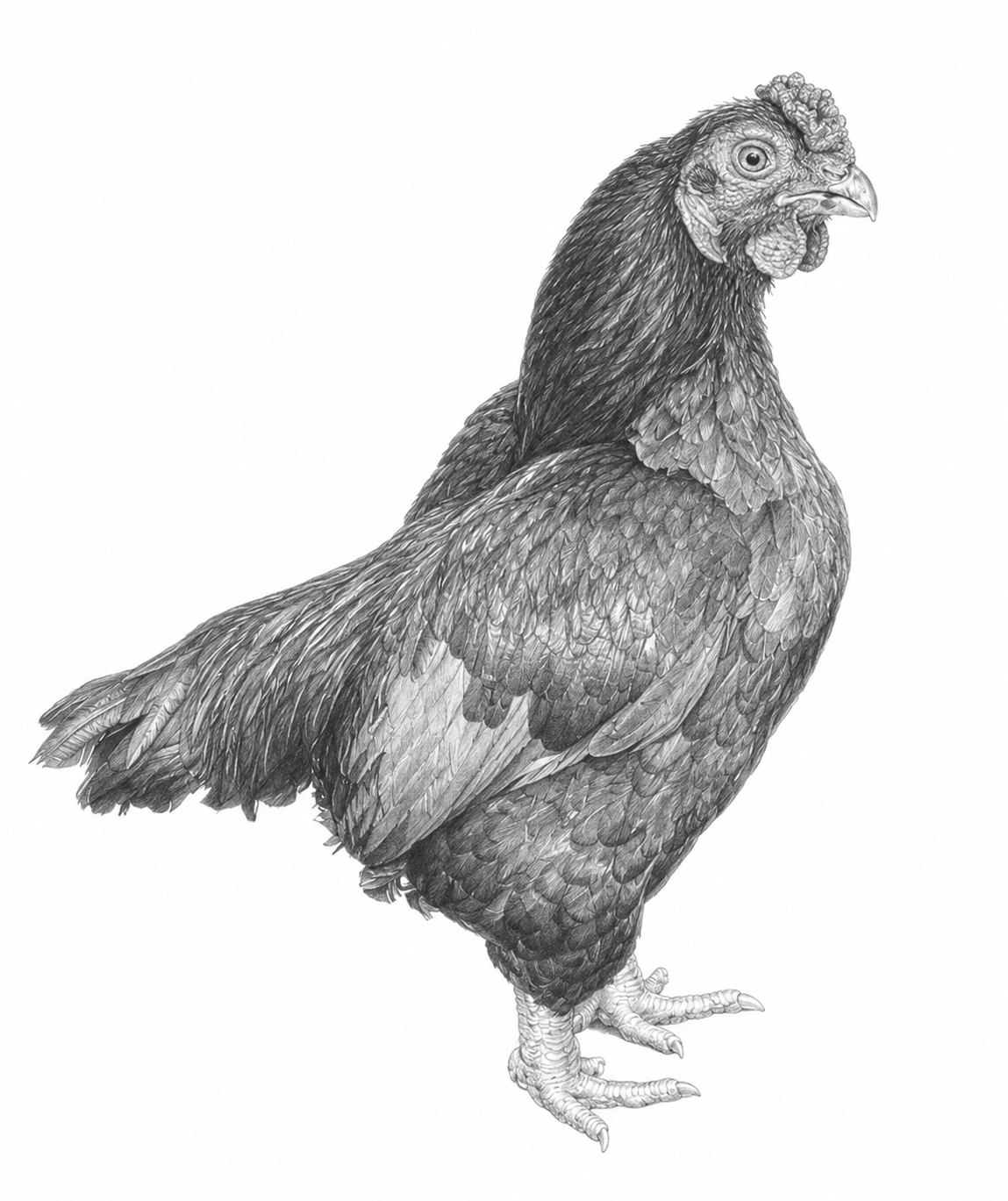
I have kept various strains of Aseel since 2009. The Aseel is the oldest of the game breeds, and in my view the most demanding to breed well. A good Asil must have the head, the eye, the bone and the carriage — and above all the unmistakable proud, upright bearing that cannot be faked.
Working with several strains allows me to compare, select and keep only what improves the yard. I breed within strain wherever possible, record every pairing, and judge my birds honestly against the standard rather than against my own hopes. Perfection in breeding is the goal — it is never reached, which is precisely what keeps the work worth doing.
The Yard
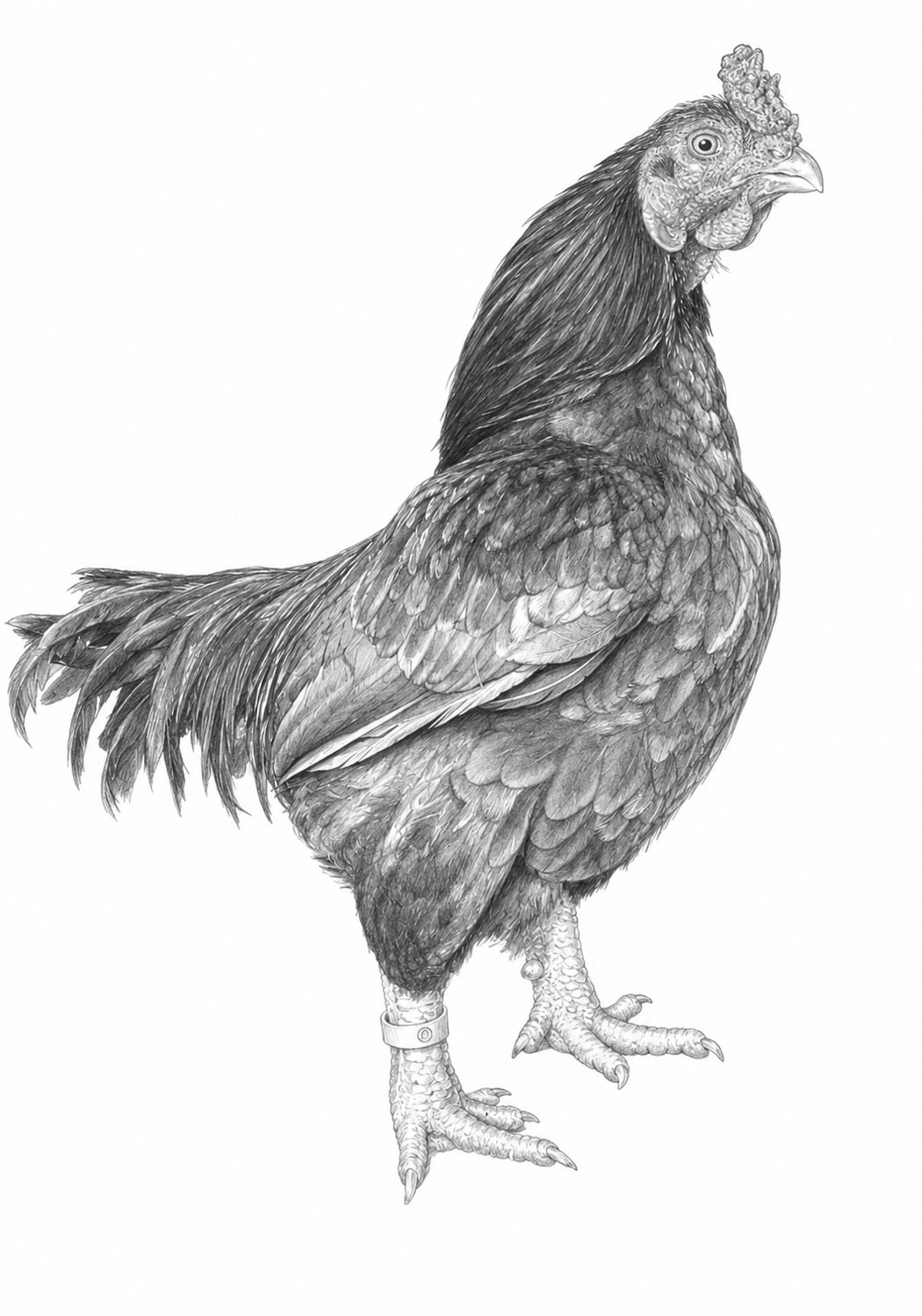
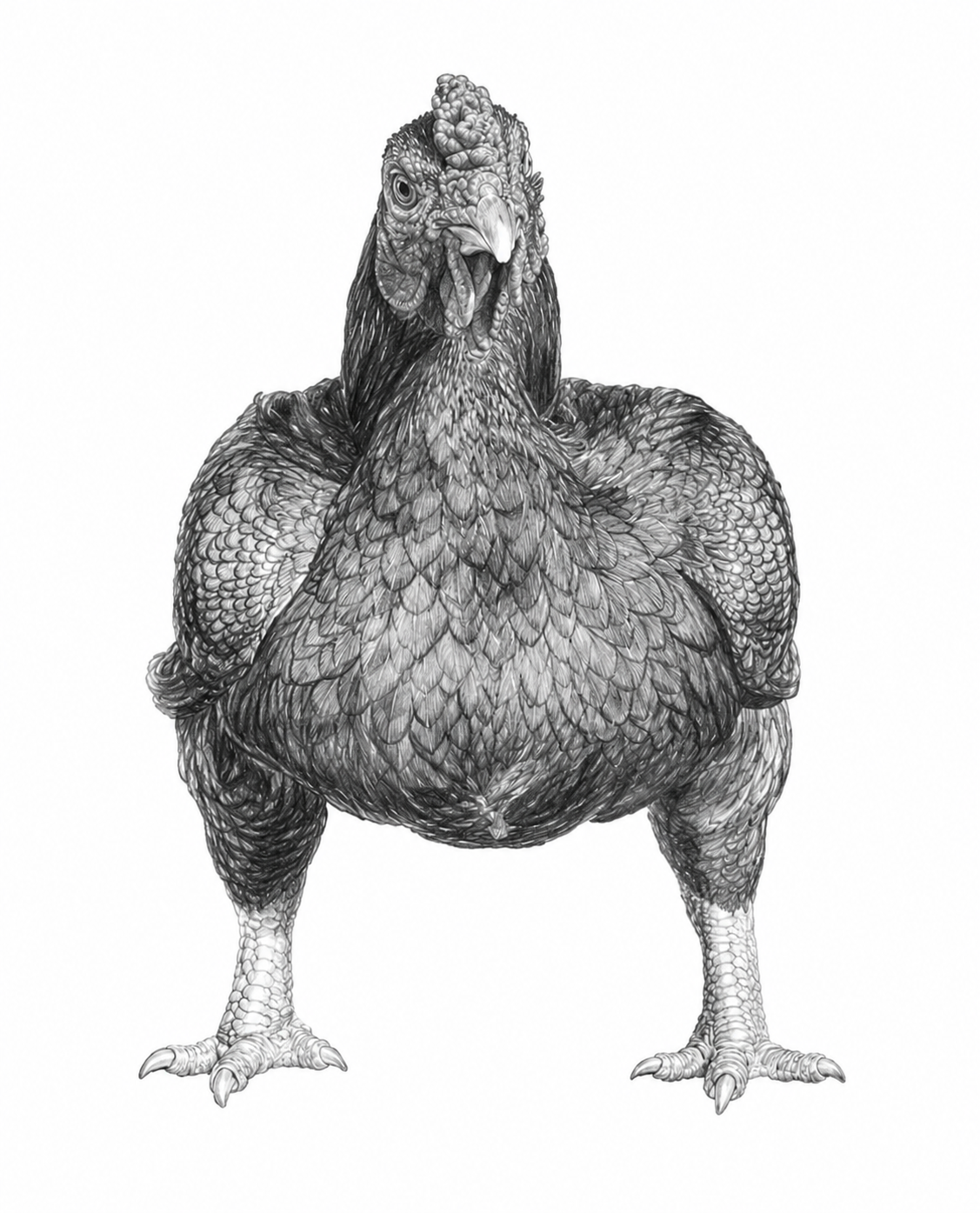
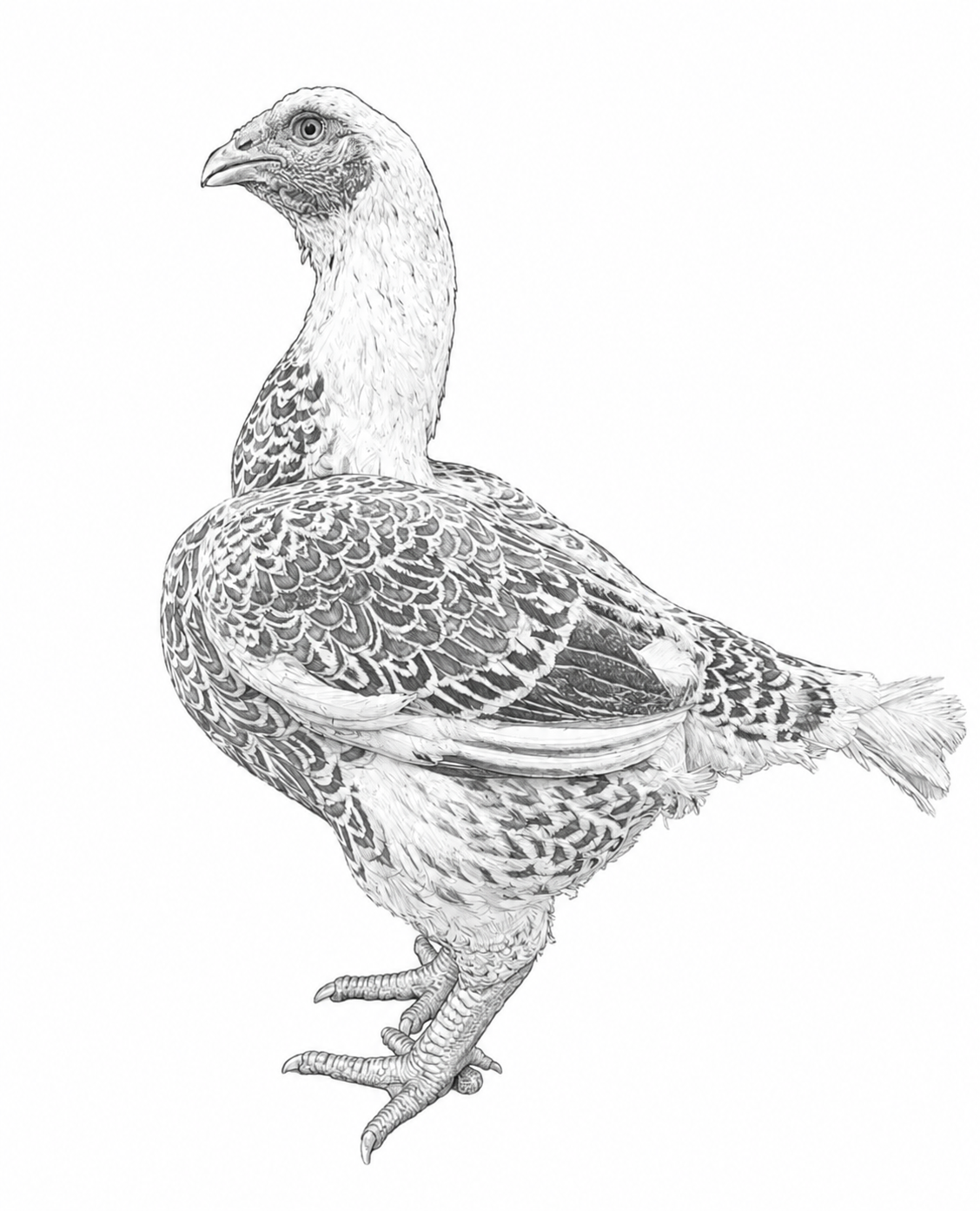
Studies from the Breeding Pens
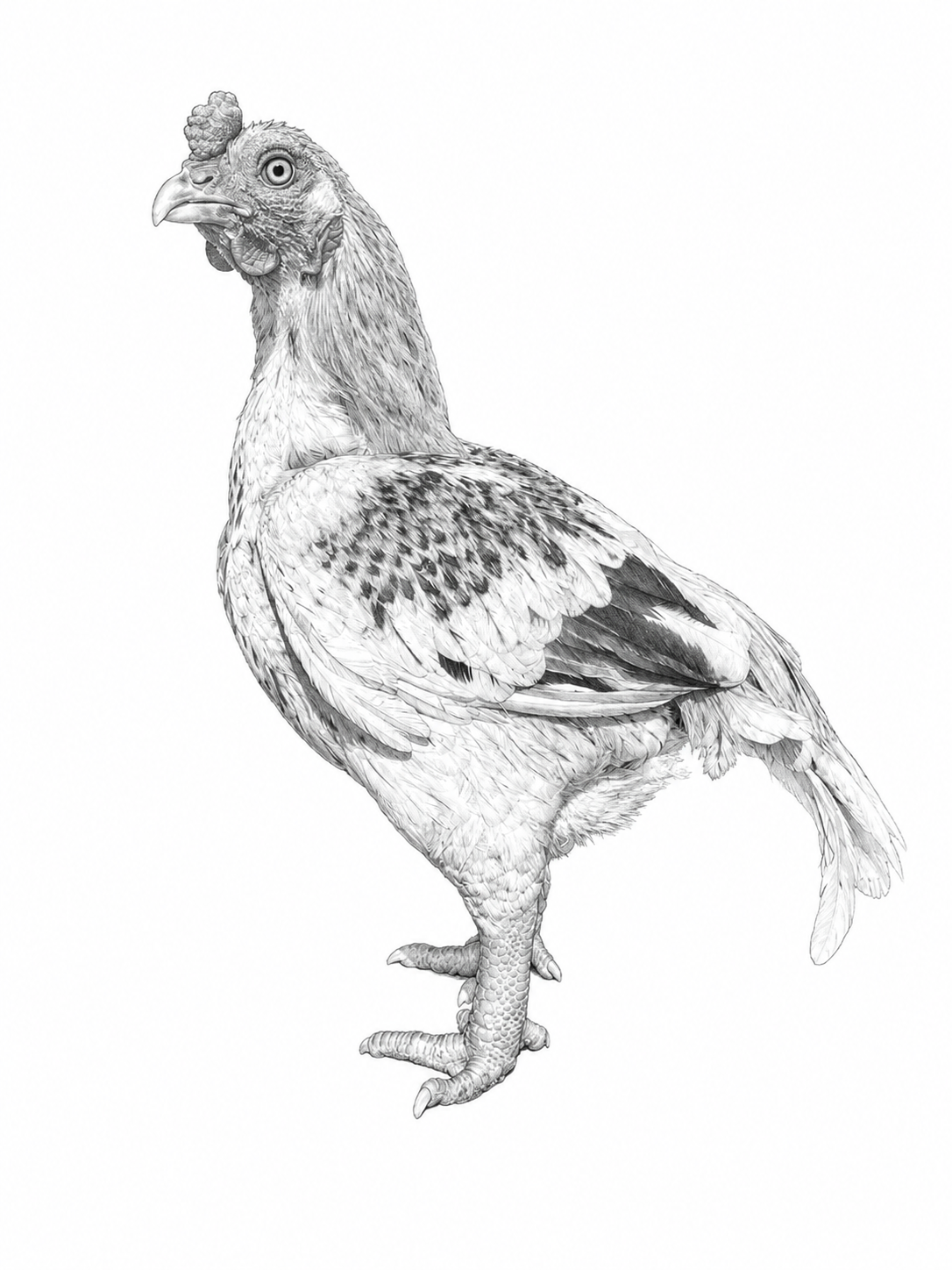
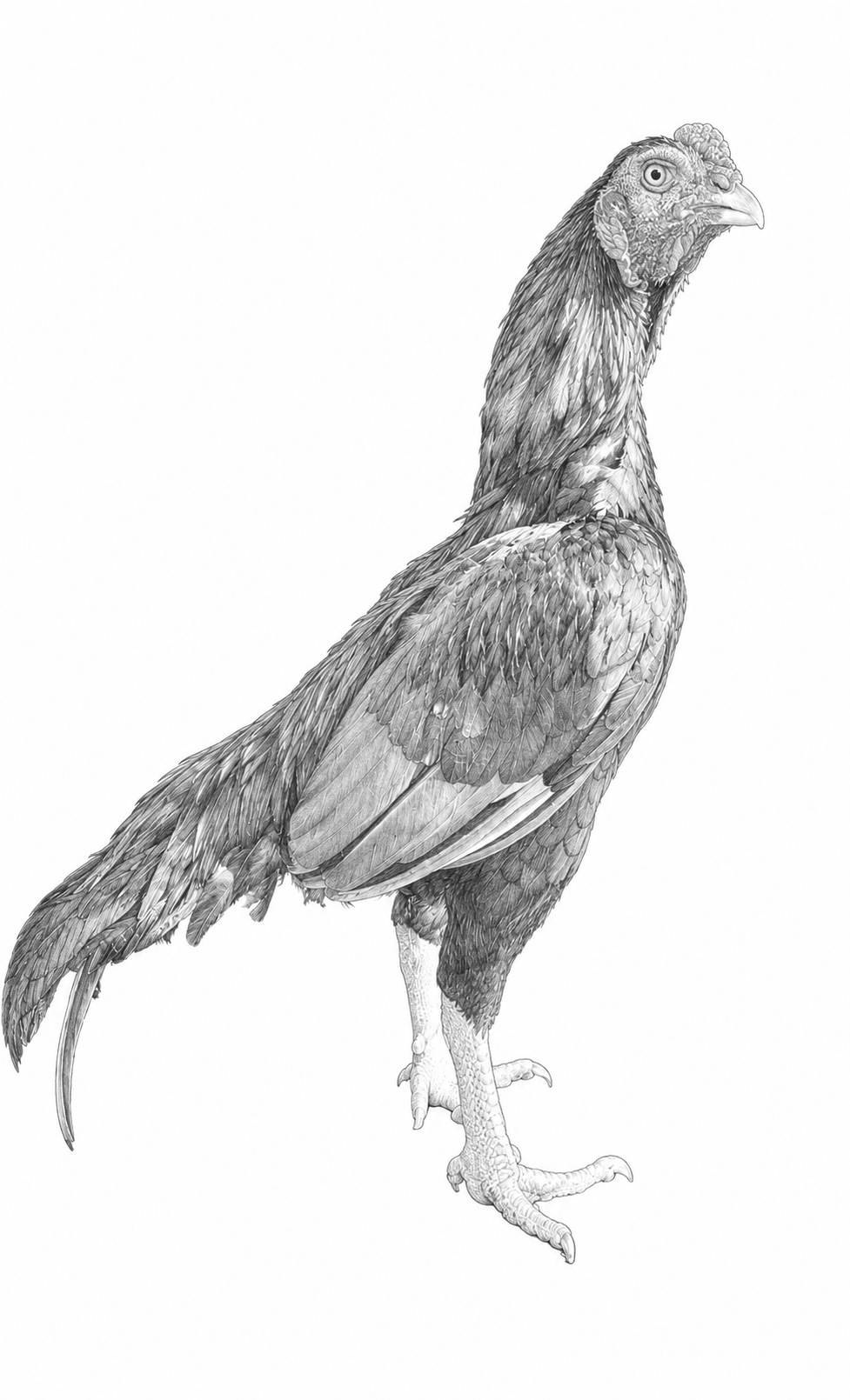
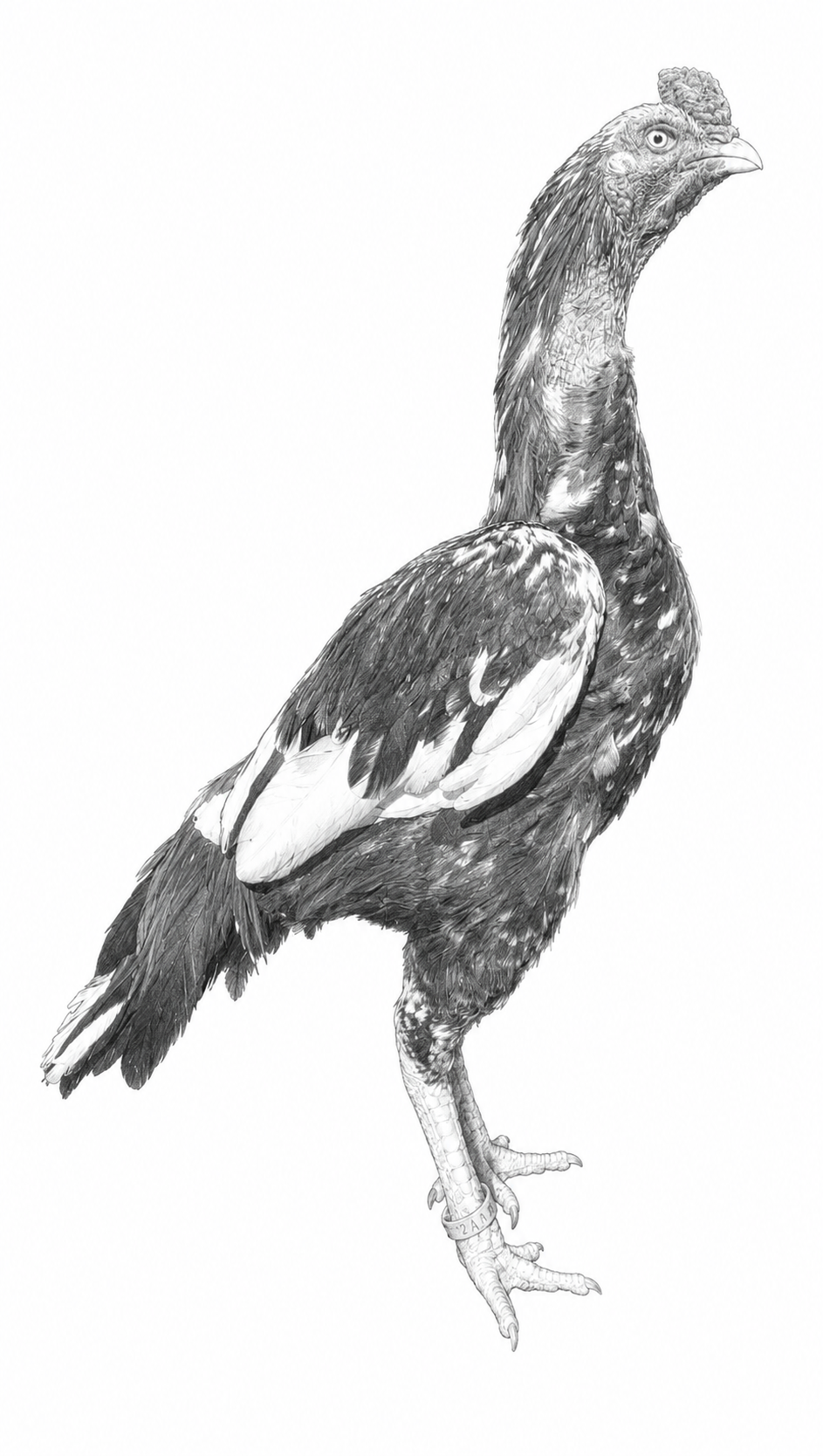
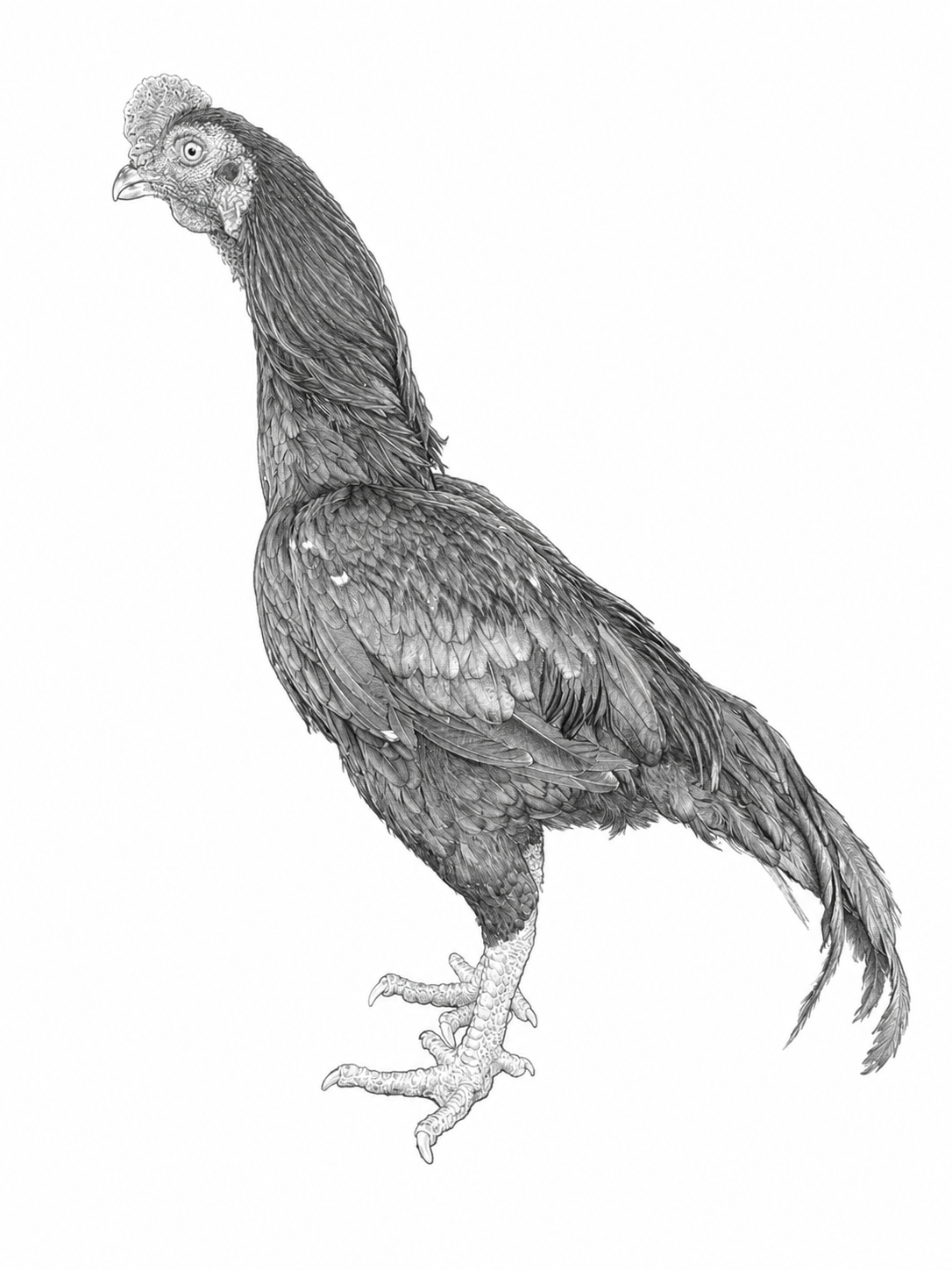
Explore
Our Fowl
Since 1928
Indian Game
Broad, low and immensely powerful — the Cornish fowl my grandfather imported from the United Kingdom.
Aseel · Punjab, Pakistan
Mianwali
Tall, hard-feathered and famously game — the classic Pakistani Aseel.
Aseel · Sindh, Pakistan
Sindhi
Tall, muscular and upright — higher shoulder setting with tight wing coverage over the whole body.
Aseel · Rampur, Uttar Pradesh, India
Siyah Rampuri
A small, compact black Aseel with the heart of a lion — the line kept and maintained on the Juul yard.
Aseel · United Kingdom / Western Aseel line
Atkinson
The well-known Western Aseel line, bred for type, hardiness and consistency.
Aseel · Witklip Farm, South Africa
Juul Home Line
My own line — built from the best of the strains above, bred for the African yard.
Get in touch
Enquiries & Visits
Birds and eggs are available in limited numbers, to good homes only. WhatsApp is the quickest way to reach me.
- 074 904 2132
- Telephone
- 065 836 6407